Introduction
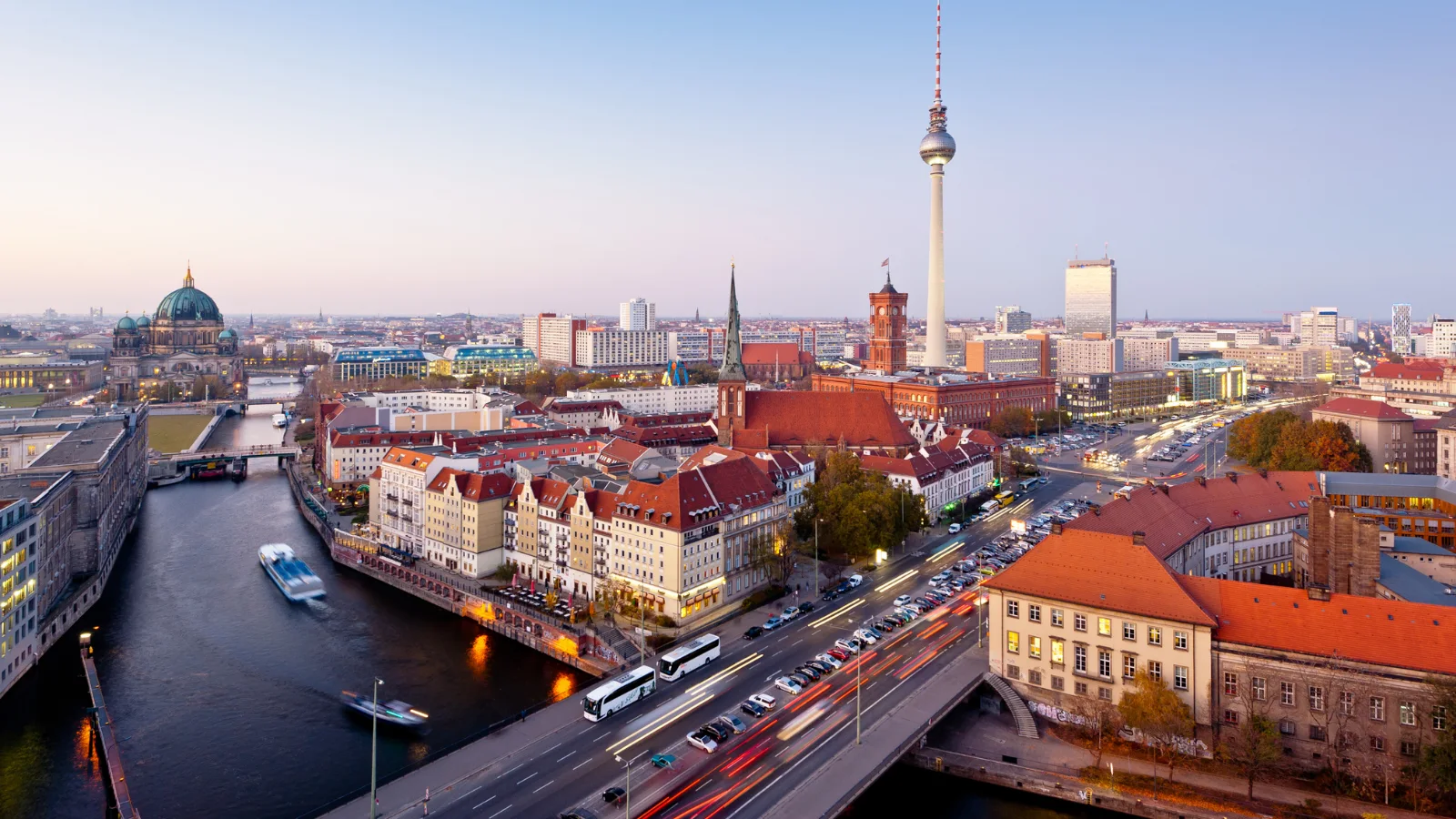
For international students, choosing to study in Germany means more than earning a respected degree. It means stepping into an ecosystem defined by stability, safety, and real career potential. Cities here blend historic architecture with modern green spaces, public infrastructure is reliable, and education policies are designed to actively welcome global talent.
The numbers reflect this growing appeal. According to DAAD, the number of Indian students in Germany more than doubled in just five years, rising from 28,905 in 2020 to 59,419 today. Of these, 69% are male and 31% are female, and the figures cover only those enrolled in Bachelor’s, Master’s, and PhD programmes.
In terms of subject choices, Engineering (including biology-related fields) is the most popular at 60%, followed by Social Sciences, Economics, and Management at 21%, Mathematics and Natural Sciences at 18%, and other fields such as Sports, Arts, and German Studies making up the remaining 6%.
Types of Universities in Germany
Germany’s higher education landscape is diverse, catering to a wide range of academic and professional goals. Universities are broadly divided into public and private institutions, with public universities forming the backbone of the system.
Higher education institutions are divided into:
- Universities (Universitäten): Universities in Germany often have the broadest range of academic programs and research opportunities leading to bachelor’s, master’s, and doctoral degrees. These institutions also have a stronger emphasis on research and theoretical knowledge, in all types of fields ranging from humanities to natural sciences, health and medicine, law, information science, and more. There are also technical universities (Technische Universitäten – TU), which award all levels of degrees with a focus on engineering and scientific subjects.
- Colleges of Art, Music and Film (Kunst, Musik-und Filmhochschule): These are specialized institutions for students who want to pursue studies in one of these fields. They offer bachelor’s and master’s degrees, sometimes even PhD programs in fields such as fine arts, design, architecture, music, theater, dance, etc.
- Universities of Education (Pädagogische Hochschulen): These universities specialize in teacher training programs. They offer bachelor’s and master’s degree programs (some can even award doctoral degrees) to prepare educators for teaching roles in schools and other educational institutions.
- Theological Colleges (Theologische Hochschulen): Theological colleges are ideal for students who want to pursue careers in religious studies, ministry, and theology. They offer undergraduate and graduate degrees in these and other related fields.
- Universities of Applied Sciences (Fachhochschulen)– These offer hands-on bachelor’s and master’s degree programs focusing on applied sciences, engineering, and technology. Their programs usually have a mandatory practical training component (Praxissemester), where students are placed in partner private business or public institutions.
Why Study in Germany?
- Affordable, World-Class Education: In most German states, public universities charge no tuition fees at all. Students typically pay only a semester contribution, ranging from approximately €100 to €350, which often includes a regional public transport pass, making it a practical saving on daily commute costs as well.
- Programmes Taught in English: A growing number of degree programmes, particularly at the Master’s level, are offered entirely in English. However, universities like TU Munich, University of Freiburg, Constructor University, Rhine Waal University of Applied Sciences, Frankfurt School of Finance and Management, University of Europe for Applied Sciences and others offer degrees in undergrad. This makes Germany accessible to international students.
- Strong Industry Links and Career Outcomes: Germany is a global leader in engineering, information technology, business, and research. Universities maintain strong connections with industry, meaning students benefit from internships, collaborative projects, and recruitment pipelines built into their programmes.
- Student Life and Culture: Beyond academics, Germany offers a high quality of life. Students have access to a well-connected public transport network, affordable healthcare, vibrant city cultures, and a welcoming international community. Whether studying in a major city or a smaller university town, there is a strong sense of community among students from around the world.
Germany offers one of the clearest and most student-friendly post-study pathways in Europe. After graduation, international students can apply for an 18-month post-study residence permit to search for employment related to their qualification. Beyond immigration advantages, Germany presents a compelling case for international students: tuition-free or low-cost education, globally respected degrees, strong industry connections, and a stable, welcoming environment to live and grow.
Conclusion
Whether your ambitions lie in engineering, business, science, technology, or the arts, Germany’s diverse university system offers programmes designed to align with both academic and career goals. For students seeking a smart, future-focused investment in higher education, Germany remains one of the world’s most practical and rewarding study destinations.
Ready to take the next step? Start your journey with these official and trusted platforms:
- DAAD – Scholarships, funding opportunities, and authoritative guidance for international students
- Study in Germany – Official government portal covering universities, visas, costs, and life in Germany
Explore your study options, shortlist universities, and apply either through uni-assist or independently on university websites. Start your journey today!