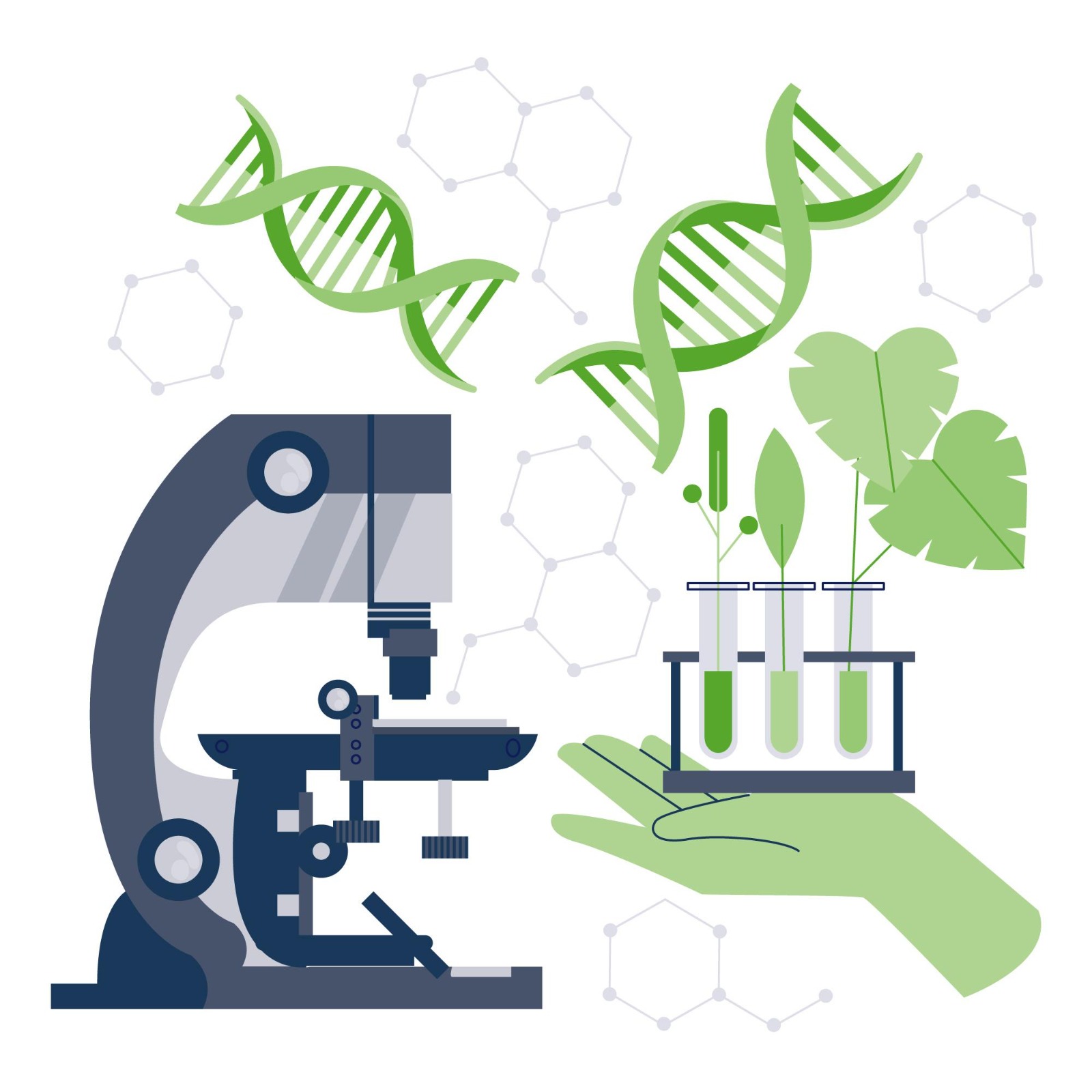
Interested in genetics, DNA technology or how biological research leads to new medicines and improved crops? Explore eight free online biotechnology courses from universities and institutions to understand the subject before choosing it at university.
Introduction
How are vaccines developed? How can bacteria be used to produce insulin? How do scientists modify the genetic material of plants to improve agricultural productivity? These are some of the questions explored through biotechnology.
For high school students who enjoy Biology, biotechnology offers an opportunity to understand how biological knowledge is applied to medicine, agriculture, healthcare, industry and environmental research.
However, before choosing biotechnology as an undergraduate subject, it helps to understand what studying the field actually involves. Free online courses provide an opportunity to explore topics such as genetics, molecular biology, DNA technology and bioengineering at your own pace.
Here are eight free online courses and structured learning resources that high school students can explore.
1. Bioengineering: An Interface with Biology and Medicine | NPTEL, IIT Bombay
Best for: Students interested in the applications of Biology in medicine and engineering.
- Offered by IIT Bombay through SWAYAM-NPTEL, this course introduces biological concepts and their applications in bioengineering and medicine. Topics include cell biology, genetics, proteins, microbiology, bioinformatics and biomedical applications.
- It helps students understand how principles of Biology are used to develop technologies and solutions in healthcare and medical research. The course specifically lists students of Classes 10, 11 and 12 among its intended learners.
2. Biotechnology | Khan Academy
Best for: Beginners who want to understand DNA technology and genetic engineering.
- This free learning unit introduces the principles and applications of biotechnology through short lessons, explanatory videos and practice activities. Topics include genetic engineering, DNA cloning, recombinant DNA, restriction enzymes, bacterial transformation, PCR, gel electrophoresis and DNA sequencing.
- It is a useful starting point for students who want to understand how scientists work with DNA and use genetic techniques in research and biotechnology.
3. CRISPR 101 | WEHI (Walter and Eliza Hall Institute of Medical Research)
Best for: Students curious about gene editing and emerging biotechnology.
- This free online resource introduces CRISPR, a gene-editing technology that allows scientists to make targeted changes to DNA. Students explore the basic principles of genome editing and how CRISPR is used in biological and medical research.
- It offers an introduction to an important area of modern biotechnology, including its potential applications in studying genetic diseases. The self-paced format makes it suitable for learners with limited prior knowledge of the subject.
4. What Do Genes Do? | OpenLearn, The Open University
Best for: Students interested in genetics and molecular biology.
- This free course explains how genes carry biological information and how that information is used by cells. Students explore the relationship between DNA, RNA and proteins, including the processes of transcription and translation.
- It provides a foundation in molecular biology and helps students understand how genetic information influences the structure and functioning of living organisms.
5. Inheritance of Characters | OpenLearn, The Open University
Best for: Students who want to strengthen their understanding of genetics.
- This course explores how characteristics are inherited through genes and how genetic information is passed from one generation to another. Students learn about DNA, chromosomes, the human genome and the role of genetic variation in inherited characteristics.
- It is particularly useful for students interested in understanding the principles of heredity and how genetics relates to health and biological research.
6. Bacterial Bioinformatics | University of Virginia, Coursera
Best for: Students interested in genetics, bacterial genomes and biological data analysis.
- This course introduces students to the use of computational tools to study bacterial genomes. Topics include genome assembly, genome annotation, phylogenetic trees and the comparison of bacterial genomes.
- Students get an introduction to how biological data is analysed to understand microorganisms, their genetic characteristics and their relationships. It is a useful option for those interested in the growing intersection of Biology and data science.
7. Introductory Bioinformatics | EMBL-EBI
Best for: Students curious about how biological data is used in scientific research.
- This free learning pathway introduces students to bioinformatics and the use of biological databases in scientific research. It explores how researchers access and analyse information about genes, proteins and their structures using resources such as Ensembl and UniProt.
- Through videos, activities and quizzes, students gain an understanding of how biological data supports research in genetics, molecular biology and genomics.
8. Genetics | MIT OpenCourseWare
Best for: Students looking for a more advanced introduction to genetics.
- MIT OpenCourseWare provides free access to learning materials from MIT courses. This Genetics course explores the principles of genetics at molecular, cellular and organismal levels.
- Topics include gene and chromosome structure, genomes, genetic variation, mutation, natural selection, gene regulation and inherited diseases. The material is designed at undergraduate level and is best suited to students with a strong foundation in Biology who want to explore the subject beyond their school syllabus.
What Can You Study After Class 12 If You Like Biotechnology?
Students who enjoy exploring biotechnology can consider several undergraduate programmes after completing Class 12.
Some options include:
- BSc Biotechnology: Focuses on biological processes and their applications in research, healthcare and industry.
- BTech Biotechnology: Combines Biology with engineering principles and technological applications.
- BSc Biochemistry: Explores the chemical processes and molecules that support life.
- BSc Microbiology: Studies microorganisms such as bacteria, viruses and fungi.
- BSc Bioinformatics: Combines biological sciences with computing and data analysis.
- BSc Biomedical Science: Focuses on the biological processes associated with human health and disease.
Eligibility requirements vary across universities. Some BTech Biotechnology programmes require Mathematics, while many BSc programmes accept students with Biology. Always check the specific subject requirements and admission criteria before applying.
Conclusion
Biotechnology offers opportunities to explore how Biology can address challenges in healthcare, agriculture, industry and the environment. For Class 11 and 12 students, a free online course can be a useful first step towards understanding the subject and deciding whether it is worth pursuing at university. Start with an introductory resource, explore an area that interests you and use what you learn to make a more informed decision about your undergraduate choices.