
Introduction
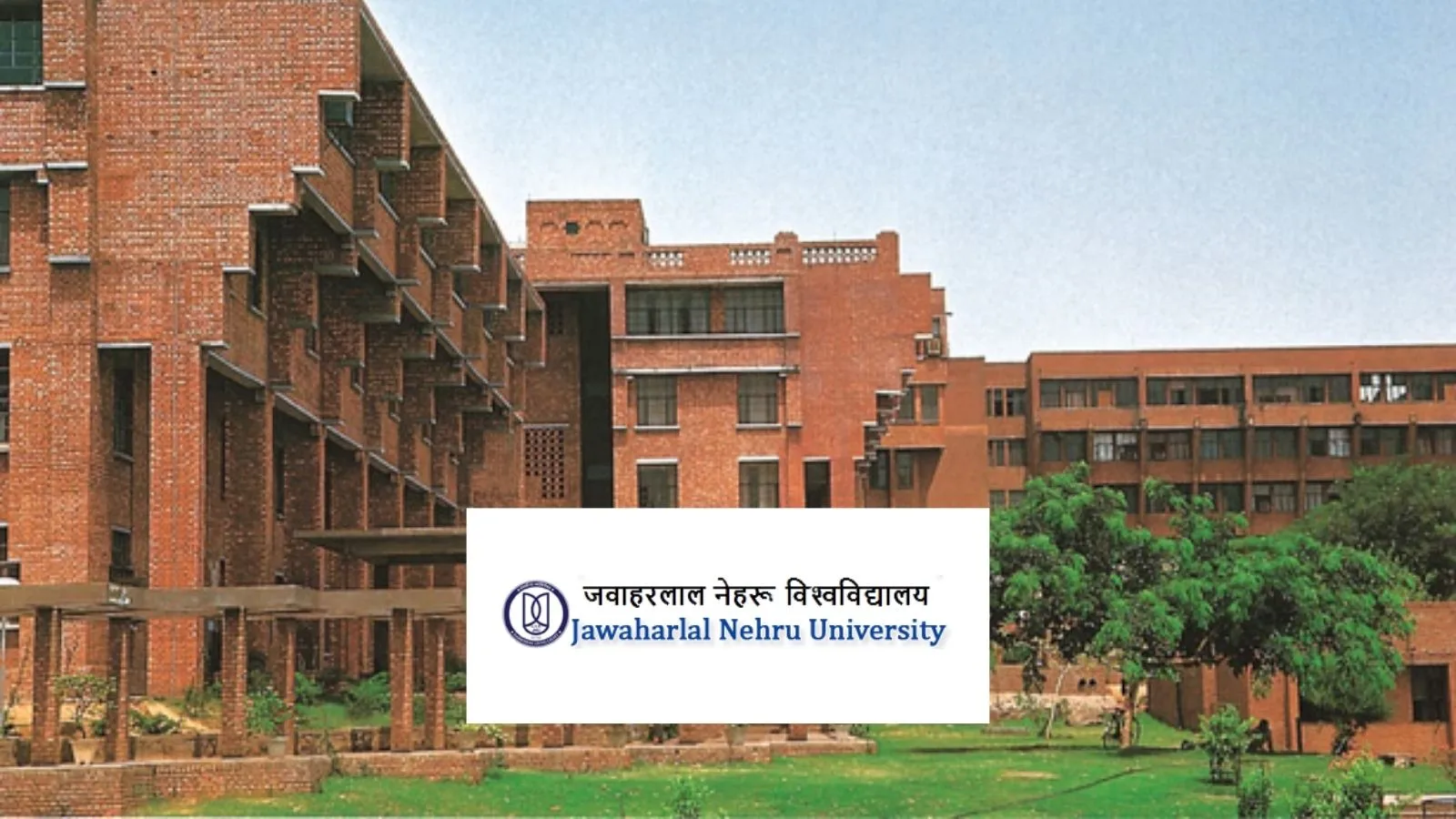
Jawaharlal Nehru University, commonly known as JNU, was established in 1969 with the vision to create a premier institution for higher learning and research that would contribute to academic development as well as national and international policymaking.
When people think of JNU, they often associate it with debates, politics, and student activism. However, for undergraduate students, JNU offers much more than that. It is one of India’s most unique public universities that is academically rigorous, diverse, and affordable.
Academic Offerings
JNU has multiple schools and special centres that focus on different academic disciplines. One of the most recognised schools at JNU is the School of Language, Literature and Culture Studies (SLL&CS). The school offers undergraduate programmes in several foreign languages and focuses not only on language learning, but also on the literature, history, society, and culture of different regions across the world.
JNU is also known for the School of International Studies (SIS), which has contributed significantly to research and policy discussions related to international relations, diplomacy, and global politics.
In the sciences, JNU has built a strong reputation for research and innovation through schools and centres such as:
- School of Physical Sciences (SPS)
- School of Life Sciences (SLS)
- School of Environmental Sciences (SES)
- School of Biotechnology (SBT)
- School of Computer and Systems Sciences
- Special Centre for Molecular Medicine
- Special Centre for Nanoscience
The university also offers a four-year B.Sc. programme in Ayurveda Biology through the School of Sanskrit and Indic Studies. The programme combines biological sciences with traditional Indian knowledge systems and follows the framework of NEP 2020.
Why JNU?
1. Strong Academic Culture: JNU has a reputation for serious discussion, critical thinking, and independent learning. Students often describe the campus as intellectually stimulating because conversations extend far beyond classrooms.
2. One of India’s Best Universities for Foreign Languages: At the UG level, JNU is especially known for its foreign language programmes. Students study not only the language itself, but also the literature, politics, history, and culture associated with that region. The university offers languages such as French, German, Spanish, Chinese, Japanese, Korean, Russian, Persian, and Arabic.
3. Affordable Education: One of JNU’s biggest strengths is accessibility. Compared to many private universities, tuition fees and hostel costs are significantly lower. This makes quality higher education accessible to students from different economic backgrounds.

Source: JNU Prospectus 2026 (Note: The fee structure for B.Tech is different from the above.)
4. Diverse Student Community: Students from across India study at JNU. The campus brings together people from different regions, languages, and socio-economic backgrounds. This diversity becomes an important part of the learning experience itself.
5. Opportunities Beyond the Classroom: Students interested in research, public policy, civil services, international relations, academia, translation, media, or cultural studies often find JNU especially valuable. The university encourages participation in seminars, language clubs, discussions, and student-led activities.
How to Apply?
Admissions to undergraduate programmes at JNU are conducted through national-level entrance examinations.
- Admission to BA (Hons.) in Foreign Languages, B.Sc. in Ayurveda Biology, and Certificate of Proficiency programmes is based on CUET (UG) 2026 scores.
- Admission to the B.Tech programme is conducted through JEE Main followed by JoSAA/DASA counselling.
After the entrance exam results are declared, candidates must separately apply through the JNU admission portal. Selection is based on entrance scores, merit lists, reservation policies, and document verification.
Conclusion
JNU stands apart from many Indian universities because of its specialised undergraduate programmes, strong academic culture, and intellectually engaging campus environment.
For students interested in languages, culture, international affairs, research, or interdisciplinary learning, JNU can offer a highly rewarding undergraduate experience. Its affordable education, diverse student community, and focus on critical thinking continue to make it one of India’s most distinctive public universities.