Set in the historic city of Varanasi, Banaras Hindu University (BHU) is one of India’s most prominent centres of higher education.
Introduction
Over the last century, BHU has grown into a multi-disciplinary academic powerhouse, with sprawling campuses, vibrant student communities, world-class research centres, and a rich legacy that bridges ancient wisdom with contemporary knowledge systems. Its mission remains rooted in fostering scholarly excellence, cultural values, and a spirit of inquiry that draws students from across India and around the world.
BHU has two main campuses:
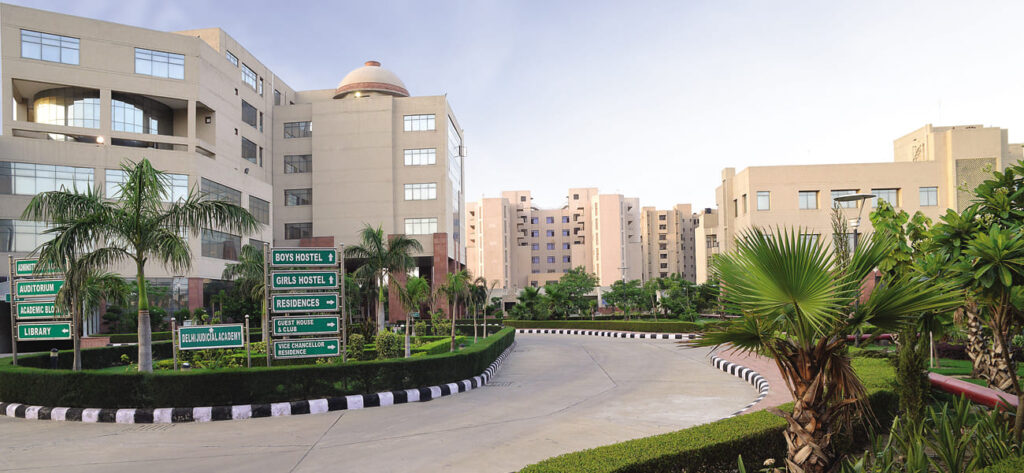
- Main Campus (Varanasi): BHU’s main campus is the historic heart of the university, located on the southern edge of Varanasi. Sprawling over approximately 1,300 acres, this campus is one of the largest residential university sites in Asia. This is where students from a wide variety of disciplines, from arts and sciences to engineering, medicine, law, and management pursue their studies.
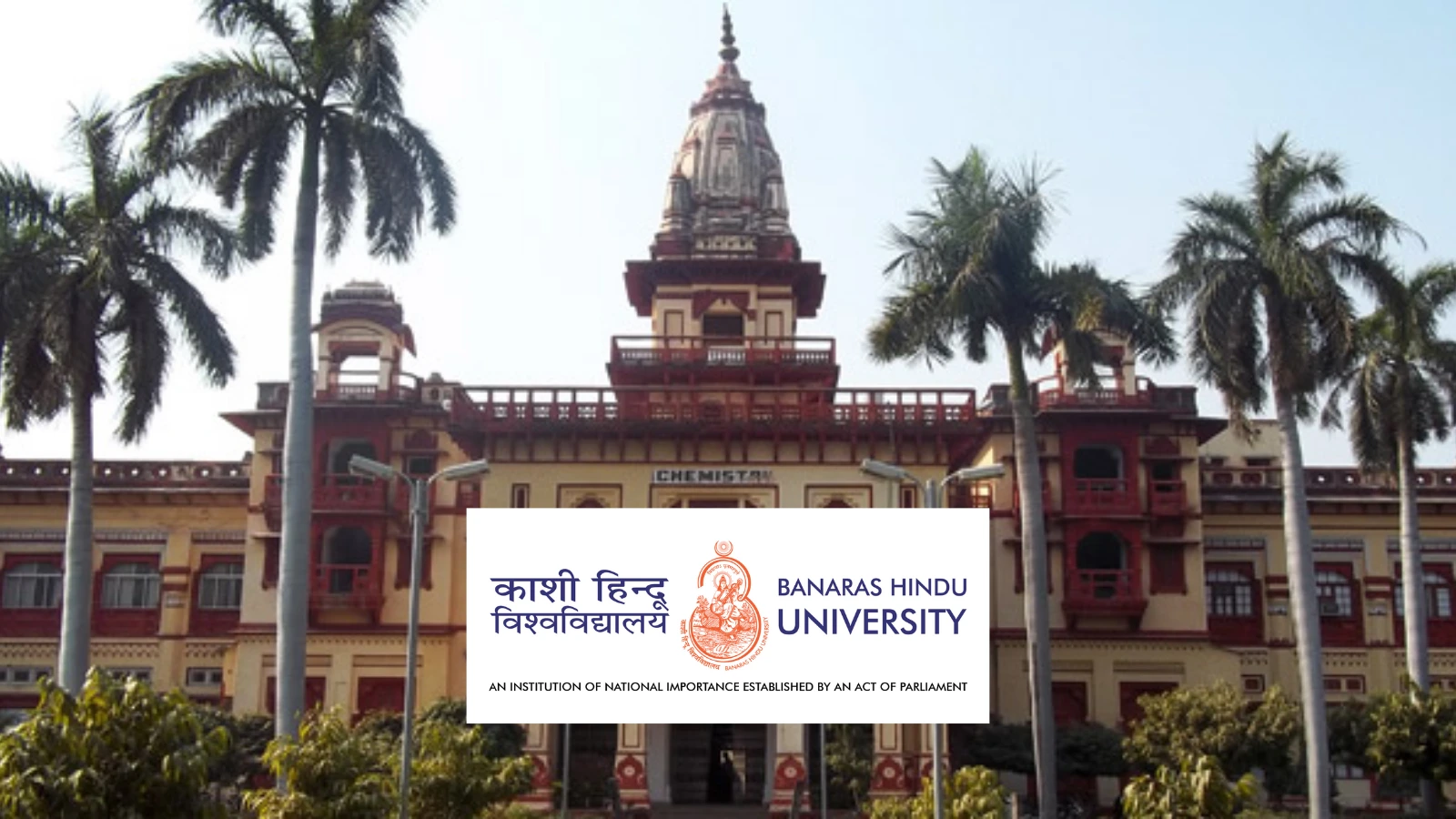
The campus blends traditional architectural aesthetics with modern academic infrastructure and includes iconic landmarks like the Vishwanath Temple and the Central Library
- Rajiv Gandhi South Campus (Barkachha, Mirzapur): BHU’s Rajiv Gandhi South Campus (RGSC) is located in Barkachha village in the Mirzapur district, roughly 60 km southwest of the main campus. This second campus spans around 2,700 acres and was acquired by BHU on a perpetual lease from the Bharat Mandal Trust in 1979.
The South Campus primarily focuses on agriculture, rural development, skill building, and related scientific and community initiatives. It hosts the Krishi Vigyan Kendra and provides opportunities that support both teaching and research activities.
Together, these two campuses form the physical academic footprint of BHU, supporting its wide range of disciplines and research environments.
Programmes Offered
BHU offers a diverse portfolio of undergraduate (UG) programs across multiple faculties, blending traditional disciplines with modern, industry-oriented courses.
- Humanities & Arts: BHU is especially known for its humanities education, offering undergraduate programmes in languages, literature, history, philosophy, social sciences, education, fine arts, music, dance, and cultural studies. These programmes reflect the university’s deep engagement with Indian traditions alongside modern interdisciplinary approaches.
- Science: Undergraduate science programmes cover core disciplines such as physics, chemistry, mathematics, statistics, life sciences, and earth sciences. The focus is on strong conceptual grounding, laboratory work, and research-oriented learning.
- Law & Commerce: BHU offers an integrated undergraduate law programme and commerce degrees that build skills in legal studies, finance, accounting, economics, and business management, preparing students for professional and analytical careers.
- Agriculture & Food Technology: Undergraduate programmes in agriculture, food technology, and dairy technology focus on agricultural sciences, food systems, and applied technologies, with strong relevance to industry and rural development.
- Healthcare & Allied Sciences: BHU provides undergraduate training in allied health and medical technologies, supporting careers in healthcare services and medical science applications.
- Vocational & Skill-Based Programmes: At the Rajiv Gandhi South Campus, BHU offers vocational undergraduate courses in areas such as fashion, hospitality, tourism, office management, food processing, medical laboratory technology, and logistics, designed to enhance employability and practical skills.
BHU consistently performs well in national rankings for example, it achieved 10th place overall in NIRF 2025, with particularly strong showings in medical and agricultural categories, showcasing the university’s academic strength across domains.
How to Apply
BHU conducts admissions to undergraduate (UG) programs primarily through the Common University Entrance Test (CUET-UG). Candidates must register for CUET and submit their scores via BHU’s admission portal during the application window.
The registration is currently open and the 2026 exam is scheduled for 11–31 May in computer-based test (CBT) mode.
Conclusion
Banaras Hindu University continues to uphold its founding vision, blending rich Indian cultural traditions with world-class education. Its legacy, diverse academic offerings, vibrant student life, and influential alumni make it a cornerstone of India’s higher education landscape. Whether you’re a prospective student, an academic enthusiast, or a curious reader, BHU’s story is a testament to the transformative power of education.