
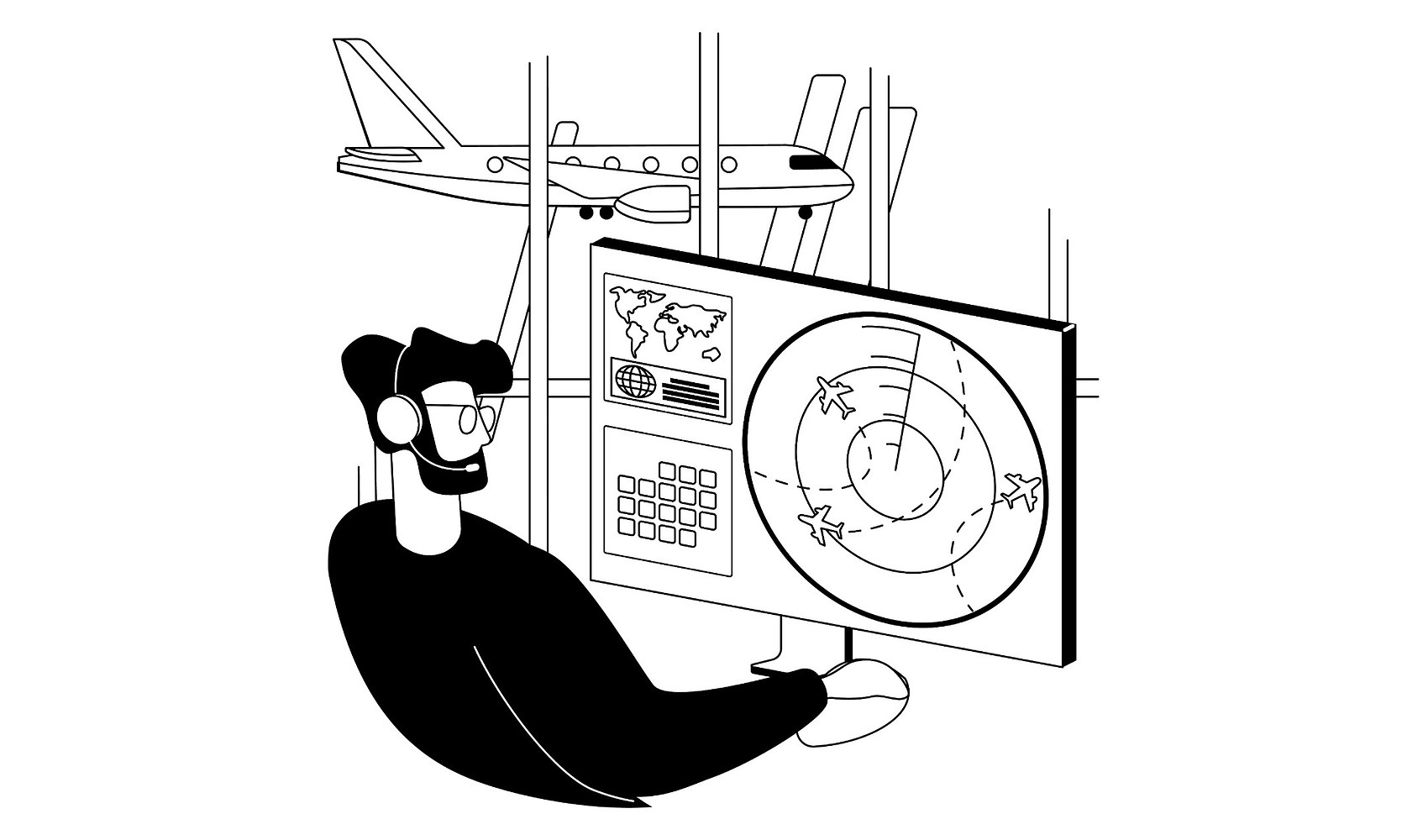
Interested in aircraft, spacecraft, satellites or the science behind flight? Aerospace Engineering brings together physics, mathematics, design and technology to develop the machines and systems that operate in the air and in space. Here is what you need to know about studying this field after Class 12.
What is Aerospace and Aeronautical Engineering?
Aerospace Engineering is the branch of engineering concerned with the design, development, testing and operation of vehicles that travel through the air and beyond Earth’s atmosphere.
It has two broad areas of specialisation:
- Aeronautical Engineering: Focuses on aircraft that operate within Earth’s atmosphere, including aeroplanes, helicopters and unmanned aerial vehicles (UAVs or drones). Students explore aerodynamics, aircraft structures, propulsion and flight control systems.
- Astronautical Engineering: Focuses on vehicles and systems designed for space, including rockets, satellites, launch vehicles and spacecraft. It involves areas such as rocket propulsion, orbital mechanics, spacecraft design and space mission planning.
Aerospace Engineering brings these two areas together. However, universities may use different programme titles, and the subjects covered can vary.
What do aerospace engineers actually work on?
Some of the important areas within the discipline include:
| Area | What it involves |
| Aerodynamics | Understanding how air flows around aircraft and other flying objects |
| Propulsion | Designing and improving jet engines, rocket engines and other propulsion systems |
| Aircraft and spacecraft structures | Developing lightweight, strong and durable structures |
| Flight mechanics and control | Studying stability, navigation, movement and control of flying vehicles |
| Avionics | Working with electronic systems used for communication, navigation and flight management |
| Space technology | Developing satellites, launch vehicles and spacecraft systems |
| Materials engineering | Exploring advanced materials, composites and heat-resistant structures |
Aerospace engineers contribute to commercial aviation, defence, satellite technology, space exploration and the development of next-generation aircraft.
What will you study during an Aerospace Engineering degree?
Aerospace Engineering is typically a four-year undergraduate programme in India. The curriculum combines foundational engineering and science subjects with specialised concepts related to aircraft and spacecraft design.
Students begin with subjects such as Mathematics, Physics, Engineering Mechanics, Programming and Engineering Graphics. As they progress, they are introduced to areas such as Fluid Mechanics, Thermodynamics, Aerodynamics, Propulsion Systems, Aircraft Structures, Flight Mechanics and Control Systems.
The later stages of the programme generally involve advanced electives, laboratory work, design projects and practical applications. Students may also undertake internships, industry projects or research assignments, depending on the institution and curriculum.
Note: Course structure, subject combinations and specialisation options vary across universities.
Is Aerospace Engineering the right career choice for you?
You do not need to build rockets or know everything about aircraft before entering this field. However, you should be curious about how things work and interested in applying scientific principles to solve engineering problems.
Aerospace Engineering may suit you if you:
- Enjoy Physics and Mathematics, particularly mechanics, motion, forces and problem-solving.
- Are curious about aircraft, space missions, satellites, rockets and emerging technologies.
- Like understanding how machines are designed, tested and improved.
- Enjoy working with models, experiments, simulations and technical projects.
- Have the patience to work through complex problems and pay attention to detail.
- Are interested in research, innovation and continuous learning.
Skills you will develop during the course:
Technical skills: Mathematical modelling and problem-solving, CAD and 3D modelling, Programming and computational tools, Fluid mechanics and structural analysis, Simulation and testing, Materials and propulsion systems.
Professional skills: Analytical thinking, Attention to detail, Teamwork and collaboration, Research and innovation, Communication and documentation, Project management.
Students may encounter tools such as MATLAB, Python, CATIA, SolidWorks and ANSYS during their studies. Prior knowledge is useful but generally not a prerequisite for admission.
How can you study Aerospace Engineering after Class 12 in India?
Students interested in undergraduate Aerospace or Aeronautical Engineering generally need to complete Class 12 with Physics, Chemistry and Mathematics (PCM).
The admission route depends on the institution. Some important entrance examinations and admission routes include: JEE Main & Advanced, VITEEE, SRMJEE, & other university-specific selection.
Important: Qualifying an entrance examination does not automatically guarantee admission to an Aerospace Engineering programme. Students must check the programme-specific eligibility requirements, available seats, counselling process and admission criteria.
Which colleges offer Aerospace and Aeronautical Engineering in India?
Students can explore government-funded institutions, specialised space-science institutes and private universities offering undergraduate programmes in this field.
Some institutions to consider include: IIT Bombay, IIT Madras, IIT Kanpur, IIST Thiruvananthapuram, Punjab Engineering College (PEC), Amity University, VIT Bhopal, IISc Bangalore, Anna University, SRM, Manipal Institute of Technology, Hindustan Institute of Technology and Science, etc.
What career opportunities are available after Aerospace Engineering?
Aerospace graduates can explore opportunities across aviation, defence, manufacturing, research and space technology. Their roles depend on their specialisation, technical skills, experience and the recruitment requirements of individual organisations.
Some career roles include:
| Career role | What you could work on |
| Aerospace Design Engineer | Designing aircraft, spacecraft and their components |
| Aerodynamics Engineer | Studying airflow, drag, lift and aerodynamic performance |
| Propulsion Engineer | Developing and analysing jet engines and rocket propulsion systems |
| Structural Engineer | Evaluating the strength, durability and safety of aircraft and spacecraft structures |
| Flight Systems Engineer | Working on flight control, navigation and aircraft systems |
| Avionics Engineer | Developing and testing electronic systems used in aircraft and spacecraft |
| CFD Engineer | Using computer simulations to analyse airflow and fluid behaviour |
| Research and Development Engineer | Developing new materials, technologies and engineering solutions |
Where can you work?
Some organisations and industry sectors to explore include:
- Aviation and aircraft manufacturing: Hindustan Aeronautics Limited (HAL), Airbus, Boeing and Tata Advanced Systems.
- Space research and technology: Indian Space Research Organisation (ISRO), private space-technology companies and international space organisations.
- Defence and research: Defence Research and Development Organisation (DRDO) and the Aeronautical Development Agency (ADA).
- Aircraft maintenance and aviation services: Aircraft maintenance, repair and overhaul (MRO) organisations and aviation engineering companies.
- Emerging aerospace companies: Organisations developing drones, electric aircraft, launch vehicles and satellite technologies.
Working at organisations such as ISRO or DRDO typically involves specific recruitment procedures and eligibility requirements. A degree in Aerospace Engineering alone does not guarantee entry into these organisations.
Conclusion
Aerospace Engineering is a demanding but exciting field for students who enjoy Physics, Mathematics, technology and solving complex problems. It offers opportunities to work on aircraft, spacecraft, satellites, propulsion systems and other technologies that shape the future of aviation and space exploration.
However, it is important to look beyond the excitement of space missions and understand the academic commitment involved. A strong foundation in mathematics, physics and engineering fundamentals is essential, along with an interest in design, experimentation and continuous learning.
As a next step, explore the undergraduate programmes offered by different universities. Compare their curricula, entrance requirements, laboratory facilities and career outcomes before deciding whether this is the right engineering pathway for you!